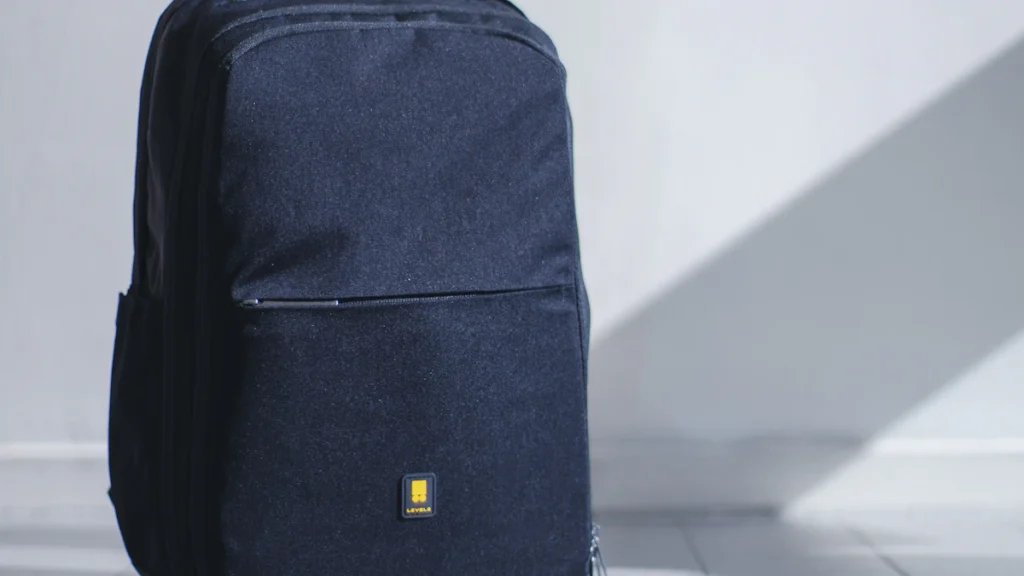
Minimalist travel starts with a simple question: what will you actually use?
Packing light makes moving between destinations easier. There is less to carry up stairs, squeeze onto public transport and unpack at every stop. But a smaller bag should still support a comfortable trip.
The aim is to bring enough for your plans, with fewer items doing more jobs. Start with what you already own, then fill genuine gaps.
Minimalist travel essentials at a glance
| Essential | What to look for | What can often stay home |
|---|---|---|
| One main bag | Comfortable to carry and suitable for your transport | A larger bag filled just because space is available |
| A small clothing rotation | Mix-and-match pieces and a realistic laundry plan | Outfits for events you have not planned |
| Everyday shoes | A tested pair suited to your walking and activities | Several pairs serving the same purpose |
| Compact toiletries | Your usual routine in trip-sized quantities | Full-size bottles for a short stay |
| Charging kit | Compatible plugs, cables and enough power for your devices | Duplicate accessories |
| Water bottle and day bag | Easy to clean, carry and reuse | A second bag when your main one already works |
| Documents and backups | Accessible essentials, offline details and a backup payment method | Unnecessary sensitive paperwork |
1. A bag you can comfortably carry
Choose your bag around your trip and how you will move. A backpack is convenient when walking between stations and accommodation. A small rolling suitcase may suit trips with paved streets and fewer transfers.
Either way, check the empty weight, comfortable handles or straps, and how easily you can reach your essentials. If you plan to fly with cabin baggage only, check your airline’s dimensions and weight allowance for your specific fare before packing.
Packing rule: choose the bag first, then make your belongings fit comfortably inside it.
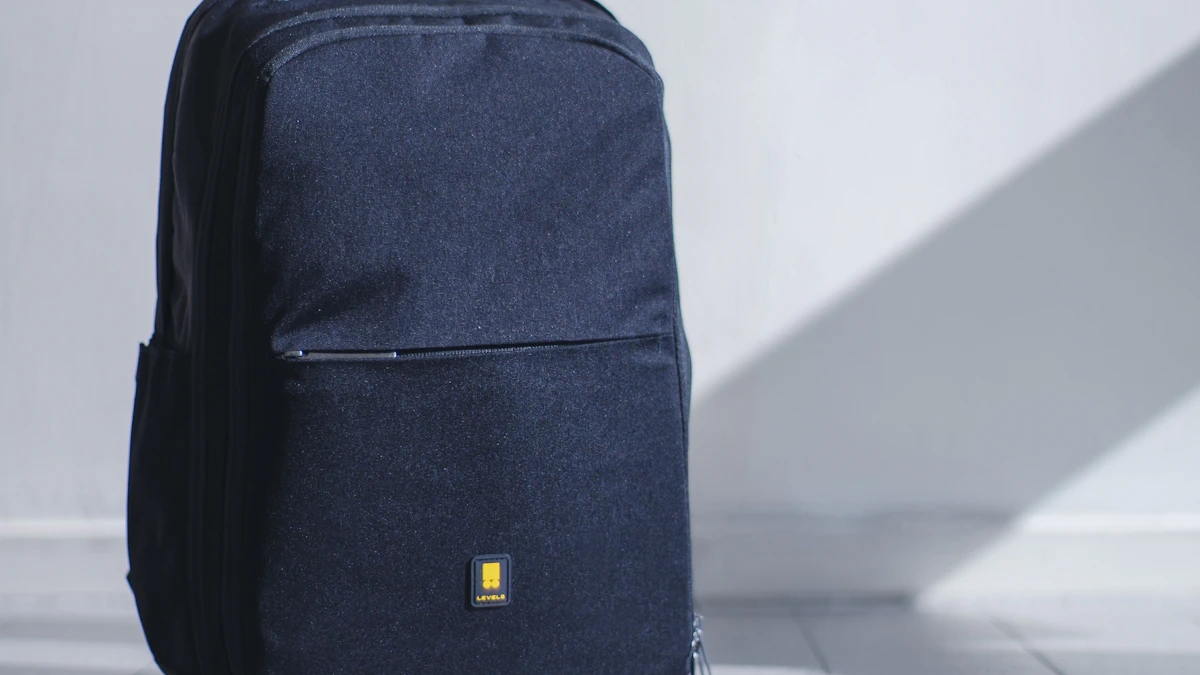
For more on capacity and carrying features, see our carry-on backpack guide.
2. Clothes that work together
Build a small travel wardrobe around pieces you can mix, layer and wear repeatedly. For a roughly week-long trip with laundry available, a starting point is:
- Three or four tops.
- Two bottoms.
- Underwear and socks for your laundry schedule.
- One warm layer.
- Sleepwear.
- Weather protection suited to your destination.
Adjust for heat, cold, activities and personal comfort. Quick-drying clothing can make washing easier, but you do not need to replace your wardrobe with specialist travel gear. Count the clothes you wear on the journey as part of your rotation.
Try assembling outfits before packing. An item that only works with one outfit needs a good reason to come along. Plan when you will wash and where items can dry; a small wardrobe works better with a realistic laundry routine.
3. One reliable pair of everyday shoes
Shoes take up valuable space. For many trips, comfortable walking shoes can handle sightseeing, transport days and casual meals.
Wear your bulkiest pair while travelling. Add a second pair only when it serves a clear purpose, such as sandals for the beach or footwear required for a planned activity.
Test your main shoes before departure. A minimalist packing list stops being useful if your feet hurt.
4. A small toiletry kit
Pack for your routine rather than every possible scenario. A compact kit might include a toothbrush, toothpaste, deodorant, sunscreen and the skin or hair products you regularly use. Bring prescribed medication and personal essentials in sufficient quantities for your trip.
Refillable containers can reduce bulk. Solid toiletries may also be convenient when they suit your preferences. Check what your accommodation provides and your departure and transfer airports’ current restrictions before deciding what to bring.
5. A simple charging setup
Start with the devices you need, then pack the accessories that support them. For a leisure trip, that might mean a phone, a compatible charger and a cable. For remote work, add your laptop and its charging requirements.
A compatible multiport charger can reduce the number of plugs you carry. Check its power output, supported charging standards and your devices’ needs before relying on it. Test the full setup at home.
A travel adapter changes the plug shape; it does not necessarily convert voltage. Check your equipment’s input rating and your destination’s requirements. Our travel adapter guide explains some of the features to compare.
6. A reusable water bottle
A bottle is useful on walking days, transport journeys and excursions. Choose one that fits your bag and is easy to clean.
Use drinking water from a safe source. An ordinary reusable bottle does not make untreated water safe.
7. A lightweight bag for daily outings
A packable tote or small day bag gives you somewhere to carry water, a layer and small purchases while your main luggage stays at your accommodation.
If your main backpack already works comfortably for daily outings, you may not need another bag. Choose around what you will carry rather than adding an accessory by default.
8. Documents and practical backups
Keep essential documents accessible, including your passport or identification and any required entry paperwork. Save useful booking details and emergency contacts offline. Protect digital copies of sensitive documents, and consider a separate backup payment method.
Minimalism should reduce clutter without removing sensible backups. Keep essential items where you can reach them during the journey.
What can usually stay at home?
Review items you have packed “just in case,” particularly:
- Clothes for events you have not planned.
- Several pairs of similar shoes.
- Full-size toiletries for a short trip.
- Duplicate chargers and accessories.
- Gadgets that repeat functions your phone already handles.
Keep anything necessary for your health, accessibility, work or planned activities. A smaller bag is useful only if it still supports your trip.
Do a final carry test
Pack your bag and walk with it for ten minutes. Carry it upstairs if you can. If it feels uncomfortable now, it will probably feel worse during a long transfer. Remove the least useful items and try again.
After your trip, note what you used, what you missed and what stayed untouched. That experience will make your next packing list more useful than any universal checklist.
Frequently asked questions
How many clothes do I need for a week?
Three or four tops and two bottoms can be a starting point when laundry is available. Add underwear, socks, layers and activity-specific items around your actual plans. There is no single correct number for every climate or traveller.
Do I need to buy minimalist travel gear?
No. Start with comfortable clothes, a usable bag and accessories you already own. Buy something only when it solves a specific problem in your packing list.
Is one bag always enough?
No. Work equipment, accessibility needs, family travel and specialist activities may require more luggage. Pack around those needs first.
Photography: existing ReviewOrb stock photographs sourced from Unsplash. Images illustrate travel and packing; they do not document product testing.